From Farmer Feedback to Field Day: Exploring Appropriate Tools & Technologies for Kentucky Farms
Finding the right equipment for a small- to mid-sized farm can be a challenge. Much of the equipment available on the market is designed for larger-scale operations, leaving Kentucky growers looking for tools that fit their acreage, crops, labor, and budgets.
This challenge is what started us down the path toward the 2026 Appropriate Tools & Technologies Field Day.
In 2024, I traveled with Sarah Guerkink of the Organic Association of Kentucky and a group of 12 Kentucky crop farmers to the Midwest Mechanical Weed Control Field Day at Purdue University. The trip gave farmers an opportunity to see a wide range of equipment in action and, perhaps more importantly, talk with other growers and educators about how these tools could fit their operations. One thing we heard clearly from our group was the need for more equipment and technologies designed with the small to mid-sized farmer in mind.
That feedback led CCD and OAK to host Kentucky’s first Mechanical Weed Control Field Day in 2025. The event gave specialty crop growers a chance to see and evaluate equipment firsthand, while also giving us an opportunity to hear directly from farmers about other areas of their operations where the right tools could make a difference.
Those conversations shaped our plans for 2026. Growers identified propagation and transplanting as two areas where they were looking for ways to improve efficiency, reduce bottlenecks, and increase success. In response, CCD, OAK, and the Kentucky Horticulture Council came together to host the Appropriate Tools & Technologies Field Day.
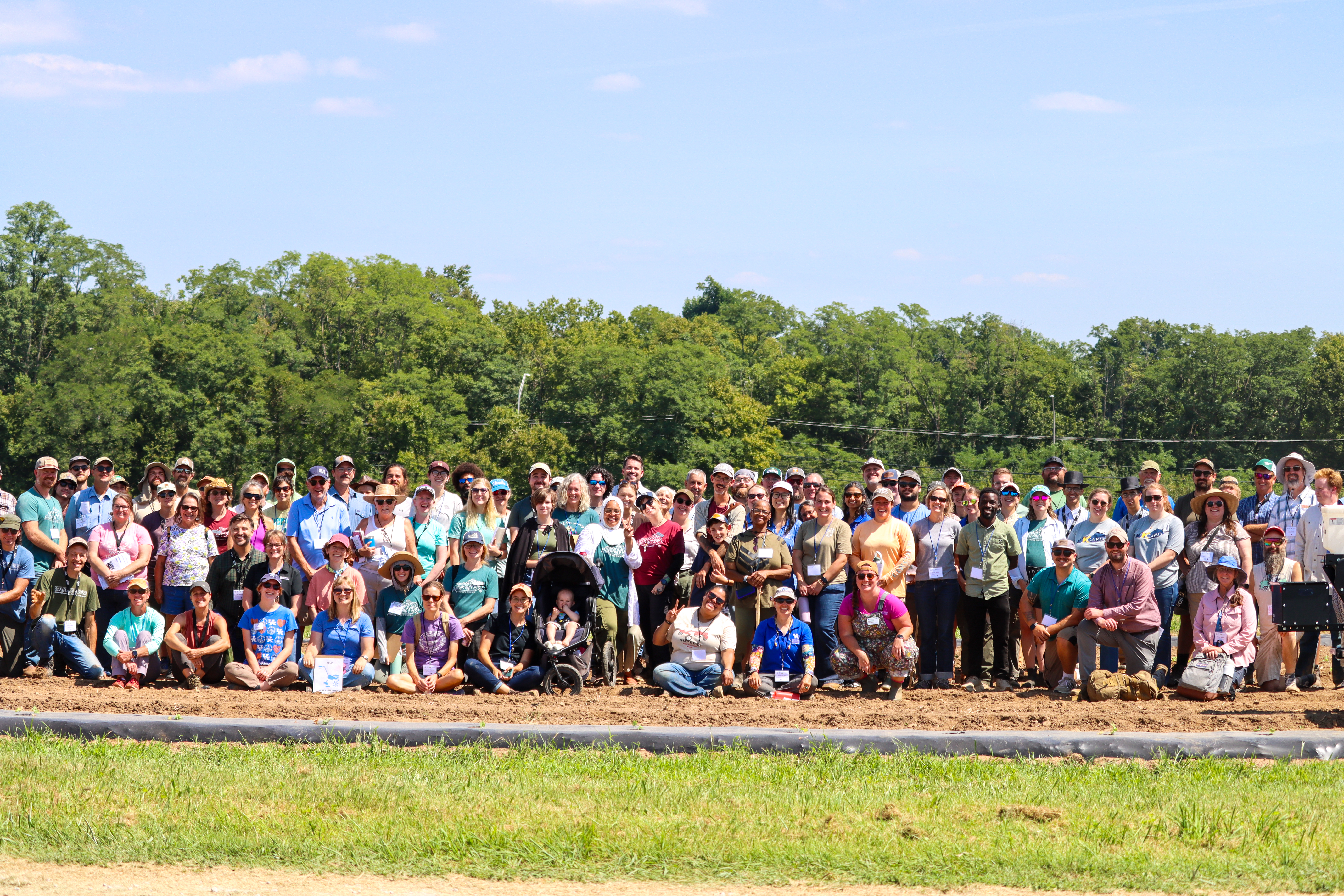
This year, 127 growers and agricultural professionals registered for the event. We were joined by 16 vendors, including equipment companies and fellow educators, who demonstrated tools and technologies for propagation, transplanting, irrigation, and other aspects of crop production. Just as importantly, 43 volunteers helped make the day possible and we are so grateful for the staff at the UK Horticulture Research Farm for all their helping prepping beds and leading sessions at this event!
For me, one of the most valuable parts of these field days is watching growers get their hands on equipment and have honest conversations about whether a particular tool could work on their farm. A technology that looks great on paper isn't necessarily the right fit once you consider the realities of a small farm such as available labor, field conditions, crop mix, acreage, cost, and how often the equipment will actually be used.
Our goal was not for every participant to leave with a list of equipment they needed to buy. Instead, we wanted growers to leave with more knowledge about what is available, a better understanding of what might fit their operation, and new ideas for making some of their most time-consuming jobs a little more efficient and productive.
Most importantly, we wanted the day to be a conversation. The best ideas for future programming often come directly from farmers telling us where the pinch points are in their operations. The Appropriate Tools & Technologies Field Day was another step in that ongoing conversation, and we're excited to see where Kentucky growers take it next!
2026 Field Day
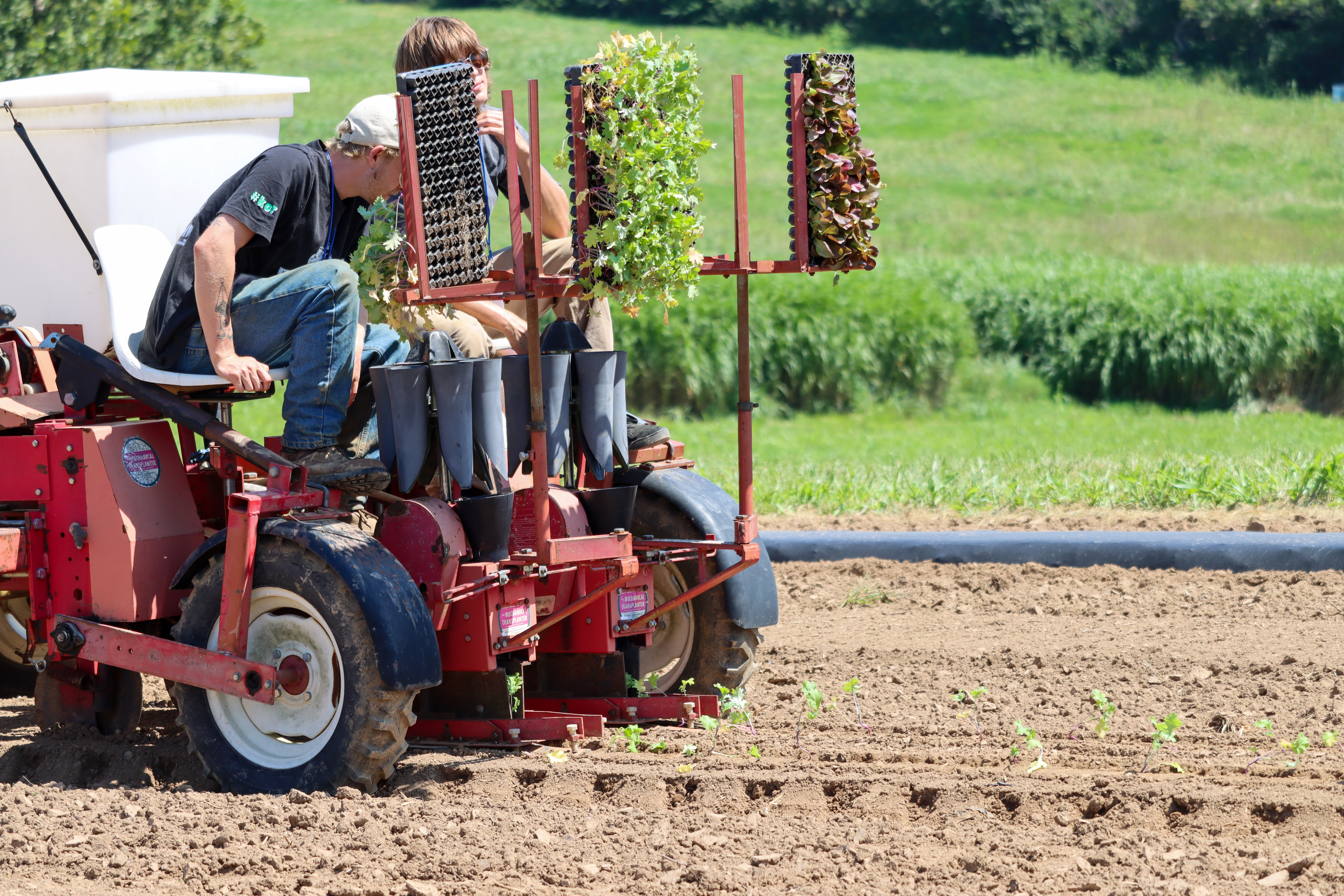
Water Wheel Transplanter
Converted tobacco water-wheel transplanter
UK Martin-Gatton College of Agriculture
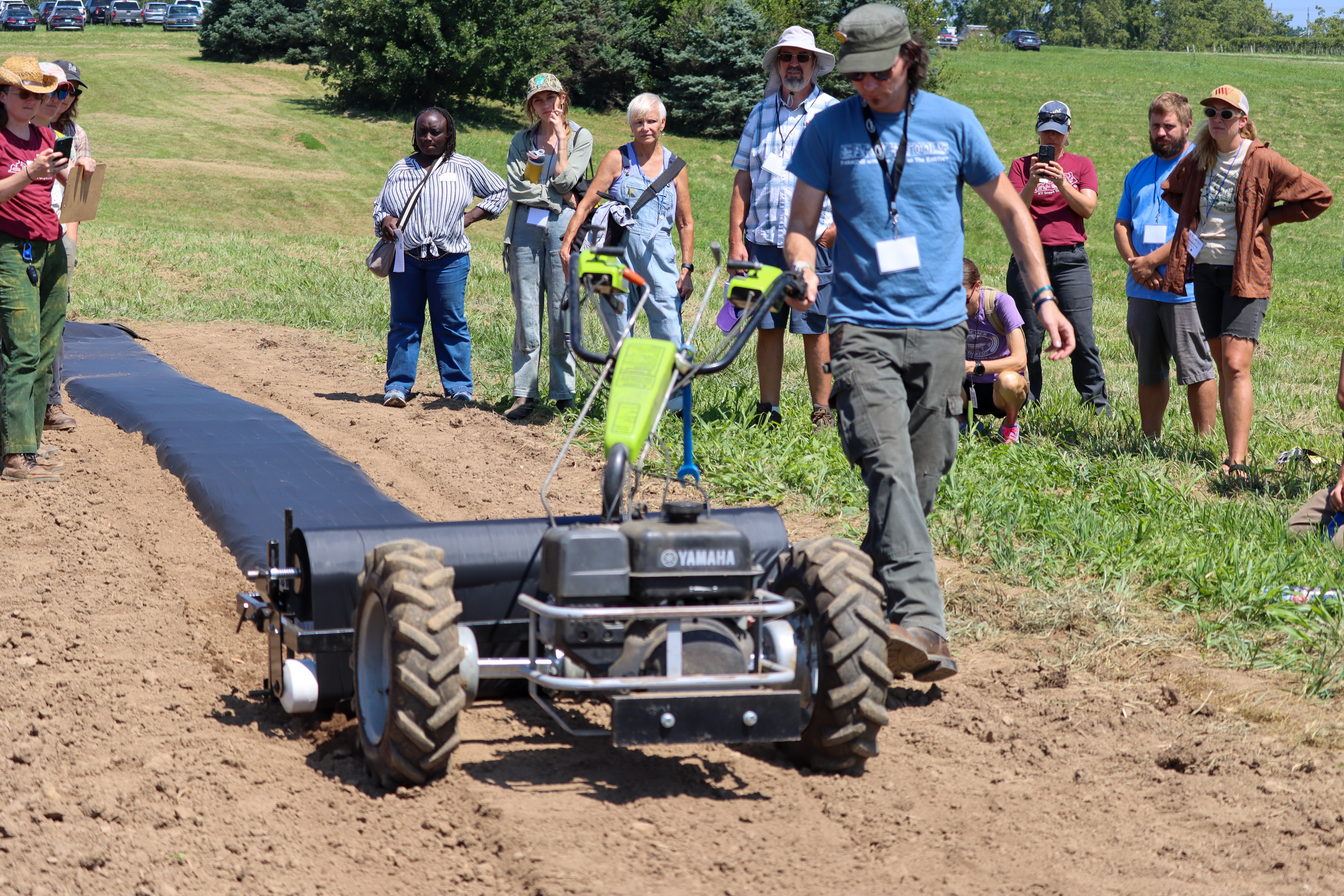
Earth Tools Plastic Layer
Earth Tools plastic layer for Grillo walk-behind.
UK Martin-Gatton College of Agriculture
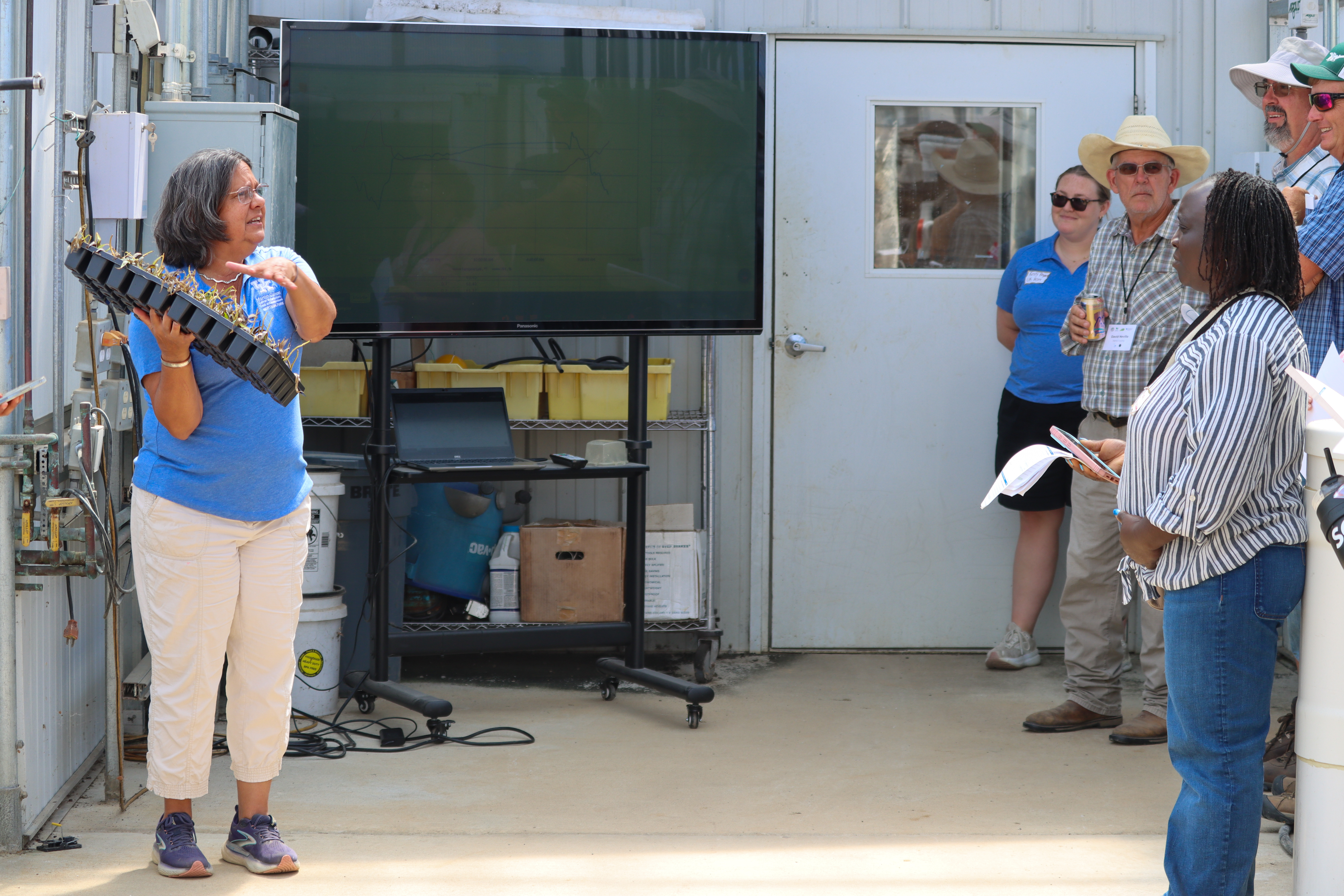
Propagation Environment
Extension Associate Shari Dutton talking about needs for good seed germination.
UK Martin-Gatton College of Agriculture
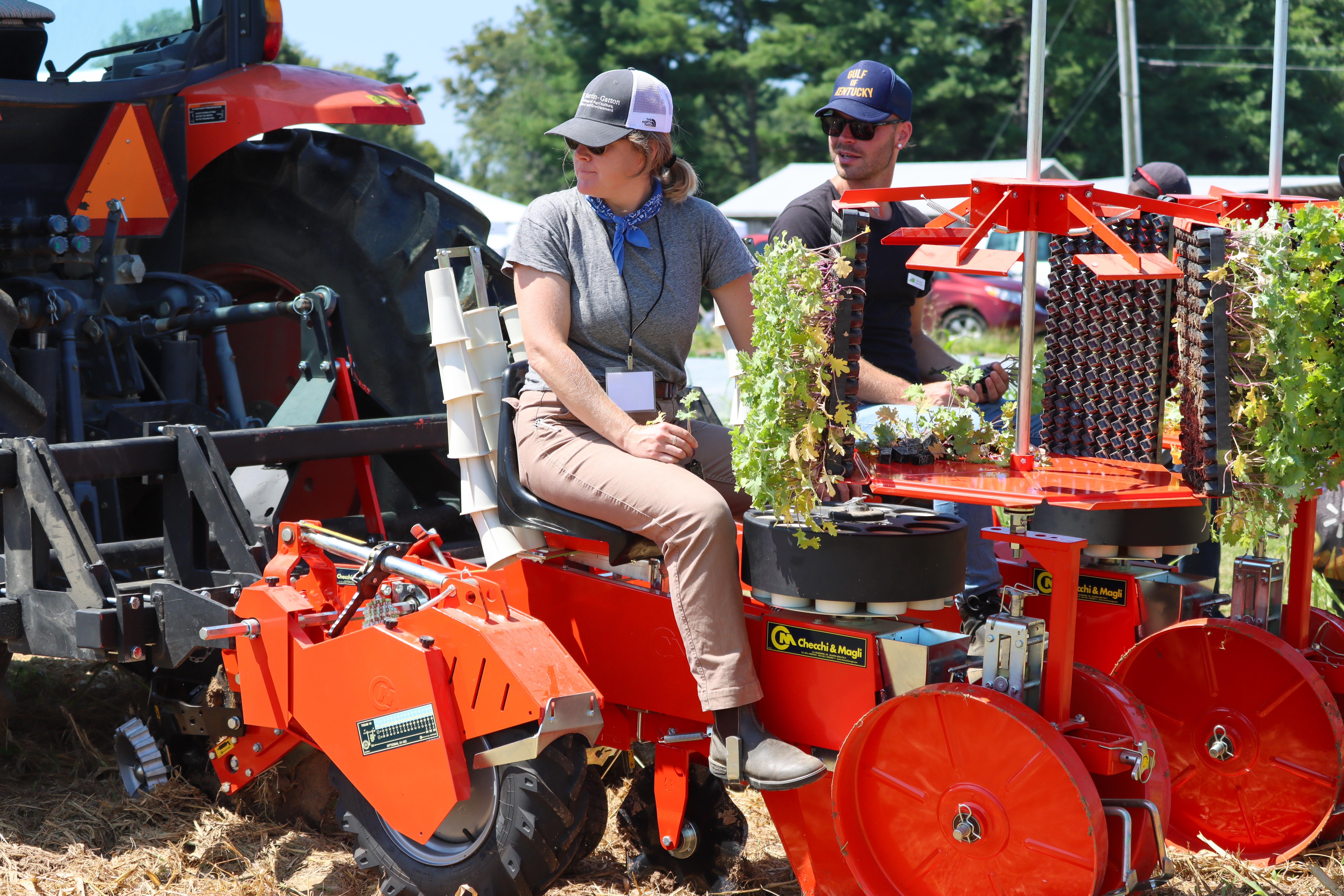
Checchi & Magli
Wolf Pro no-till transplanter with Dr. Rudolph and KHC's Trevor Terry.
UK Martin-Gatton College of Agriculture
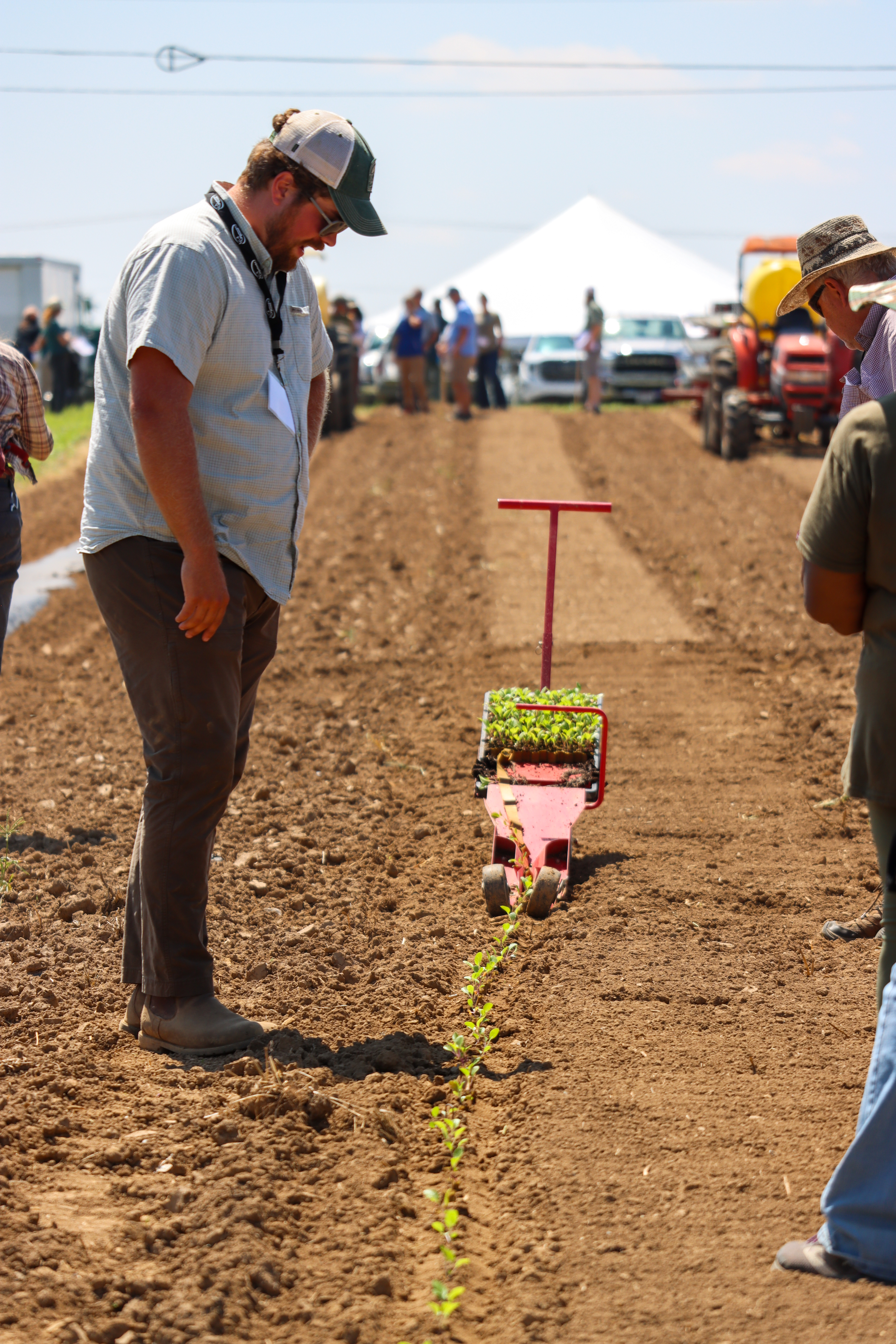
Paper-pot Transplanter
Emery of Elmwood Stock Farm showing how he utilizes a paper-pot planter.
UK Martin-Gatton College of Agriculture
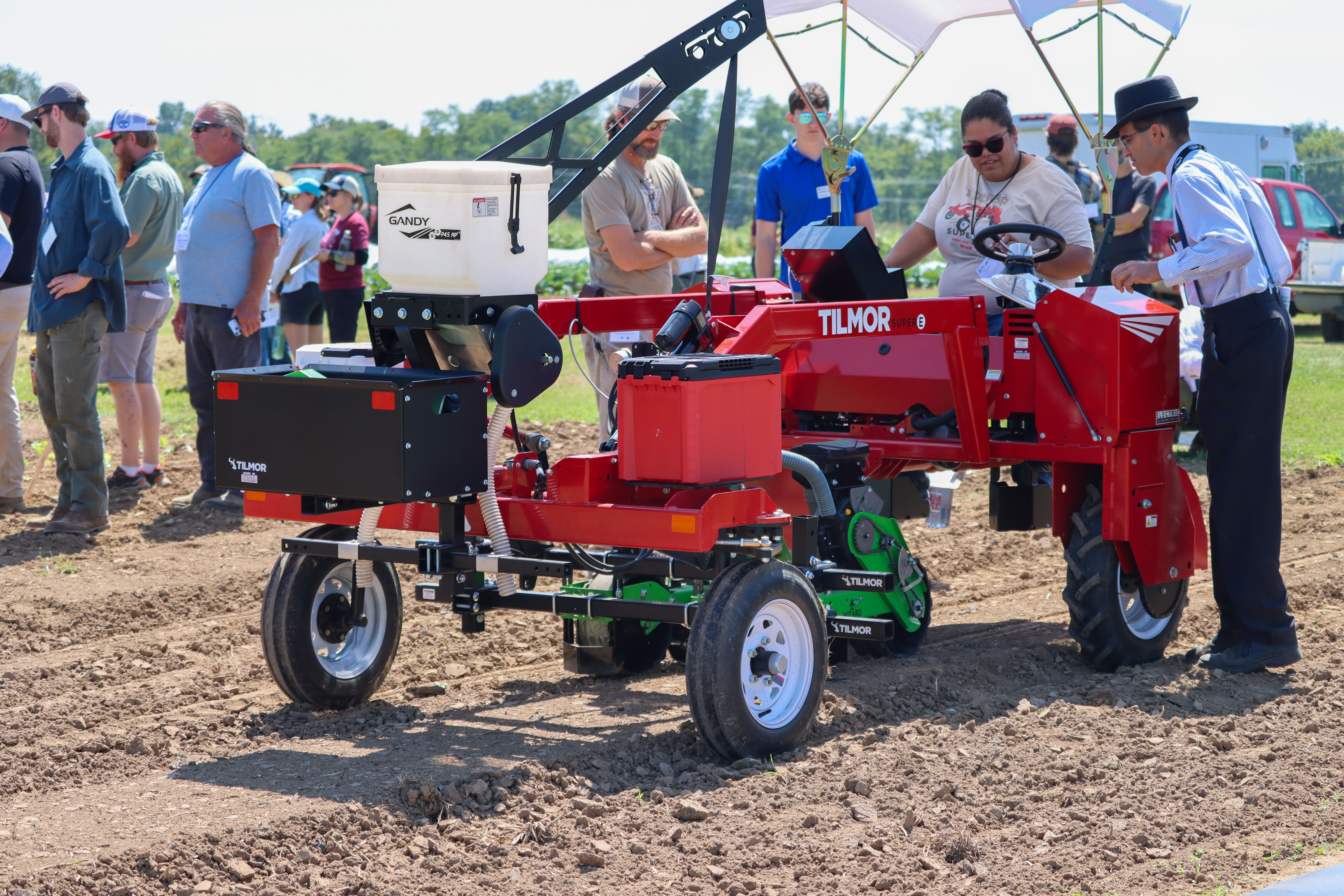
Tilmor Super-E
An electric tractor with seeder attachment.
UK Martin-Gatton College of Agriculture
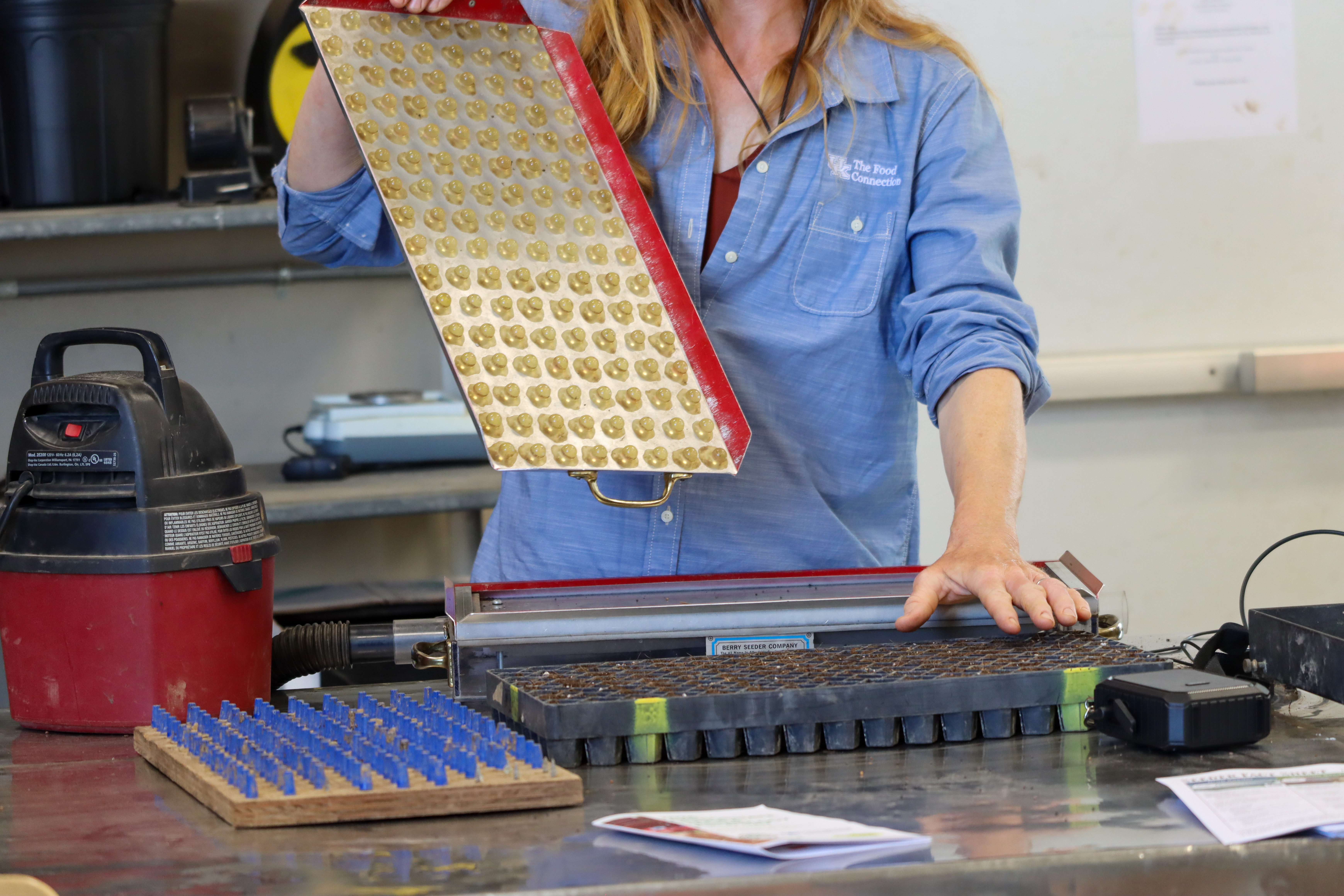
Precision Seeder
Various automatic precision seeders demonstrated.
UK Martin-Gatton College of Agriculture