Skip to main
University-wide Navigation

Notes from the 2026 Southeast Value-Added Dairy Conference

Dr. Timothy Woods and I spent the last week of July in Knoxville, Tennessee, at the 2026 Southeast Value-Added Dairy Conference. For anyone unfamiliar; SEVAD is the annual conference of the Southeast Dairy Business Innovation Initiative (SDBII), a USDA-funded effort led by the University of Tennessee in partnership with NC State University, the Kentucky Dairy Development Council and the University of Kentucky. SDBII is split between competitive grants made directly to dairy businesses and technical assistance programs like the SEVAD conference. 

ASCFG Tour at Roots Cut Flower Farm Recap

New Guide Helps Growers Prepare for Severe Weather

From tornadoes and flash flooding to extreme heat, winter storms, and high winds, Kentucky experiences a wide range of severe weather events each year. As weather patterns become increasingly variable, preparation is more important than ever. Being prepared before disaster strikes can help protect lives, homes, farms, and businesses.

USDA Helps Organic Producers with Certification Costs Putting Farmers First to Make America Healthy Again

USDA’s Farm Service Agency (FSA) is accepting applications to help with organic certification costs for the 2025 and 2026 program years through the Organic Certification Cost Share Program (OCCSP), which covers up to 75% of eligible organic certification costs. Producers and handlers must apply by Dec. 31, 2026, for both program years.    Cost Share Assistance   

All America Selections Winners – A Cut Flower Trial

Where are the sites located? The Arboretum’s home demonstration gardens: 500 Alumni Dr, Lexington, KY 40503UK Robinson Center: 130 Robinson Rd, Jackson, KY 41339The Horticulture Research Farm: 4321 Emmert Farm Ln, Lexington, KY 40514  

New Greenhouse Tomato Resources Published

Time to Order Garlic

It’s time to start ordering your garlic for fall planting. If you’re new to garlic or thinking about expanding production to a commercial scale. Here are a few things to consider.  Planning Order garlic "seed" (planting stock) in July for the best variety selection. Hardneck garlic varieties are recommended for Kentucky growers due to their ability to withstand Kentucky winters. Garlic grows best in well-drained soils with high organic matter. Planting (September–November)

July is Kentucky Grown Cut Flower Month!

Soil Solarization in High Tunnels: Management of Soilborne Pathogens, Plant-parasitic Nematodes, and Weeds

Overtime, soilborne pathogens and weeds can become problematic in high tunnels and lead to a decline in crop yield and quality. From late spring through early fall, air temperatures inside Kentucky high tunnels can be very warm and even hot. For this reason, soil solarization can be integrated with other high tunnel management practices already in use. Soil Solarization and its Advantages

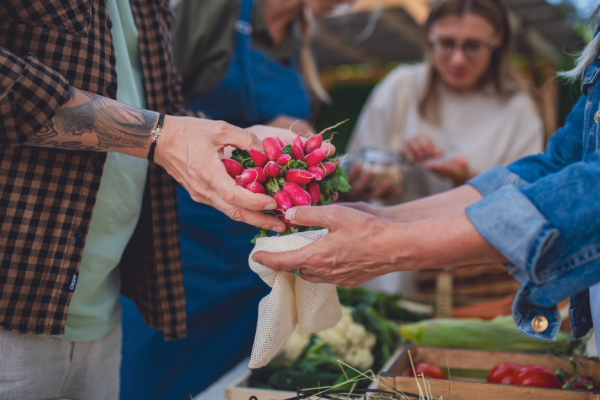
Exploring Farm-to-Restaurant

As I begin my fellowship and continue research, I have become increasingly interested in farm-to-table feasibility and farm-to-restaurant relationships. In the future I hope to work within the farm to table industry, so this topic is extremely meaningful and interesting to me. Throughout my research I discovered many major opportunities and strengths in local food sourcing; however, I am still left with many questions. Thankfully, throughout my internship I will have the opportunity to meet with farmers working directly within this field to discuss their perspectives.